

A space for members to discuss, analyse and amplify
The Anti‑Stigma Network recognises that language carries power, and certain words or phrases can perpetuate stigma. However, intent and context matter, and meaning can shift depending on how and why language is used.
For this reason, you may see words on our site that appear at odds with commonly accepted guidance. In our blog specifically, the language is the writer’s own, and we publish pieces as written - particularly when terms appear in the title of a play, artwork or lived‑experience narrative. Changing or policing those words would alter the integrity of the contributor’s voice.
As we continue to deepen our understanding of stigma and language, we believe it’s important to allow people to speak authentically rather than risk silencing valuable perspectives.
If you have something stigma related that you want to say or to share that you think members will benefit from please contact us at [email protected] with your article.

Starting Where You Are: Influencing as an Individual with Lived Experience
“Your story can change things. But you don’t owe it to anyone.” Laura Willoughby MBE, CEO of Club Soda, shares how lived experience can become a powerful force for challenging stigma and creating change - and why protecting your own boundaries matters just as much as finding your voice.

We Recover Loudly … Stomping Out Stigma One Sweaty Sock At A Time.
A no holds- barred take on stigma, sobriety, and refusing to fit into a certain idea of what recovery should look like. Shell explores why recovery should be loud, proud, rebellious - and entirely your own.

Building a Movement for Stigma-Free Systems
What comes after awareness? Action. Our new policy briefings and free resources will help you identify stigma, start important conversations and drive change in your organisation, community or service. Read more and be part of the movement for stigma-free systems.

Rewriting the Script: Recovery Street Film Festival 2026
At the Anti-Stigma Network, we believe that challenging stigma means amplifying real voices to help how people understand substance use and recovery. Storytelling - especially when led by lived experience, is one of the most powerful ways to do this.
We’re proud to share this blog from the Recovery Street Film Festival, which creates a platform for people to “rewrite the script” and move beyond harmful stereotypes towards more honest, human stories.

Is It Time to Dump “Substance Misuse”?
Is it time to dump the term “substance misuse”? We explore whether the language we use unintentionally reinforces stigma and question whether it’s time for something better. What do you think? Read the blog and join the conversation.

When will we stop blaming people and start looking at systems: lessons from prison recovery support
Tom Wright, Head of Operations for Phoenix Futures reflects on substance use stigma in the prison system.

Words, Stories and Magic
Even the most carefully chosen words can miss the mark if the communication behind them carries hierarchy, ambiguity, or unintended judgement. Read why dignity, agency, and fairness must sit at the heart of every interaction.

You Are Not Alone: Breaking Silence Around Alcohol Harm in South Asian Communities
In this guest blog, recovery advocate and founder of No More Pretending, Navi Dhesi reflects on the importance of shared experience, visibility, and open conversation in addressing alcohol harm within South Asian communities.

Why It Matters: Recognising LGBTQIA+ Struggles in Addiction and Accessing Support
Drawing on her own recovery journey, Wezz Killinaul explores why recognising LGBTQIA+ experiences matters in addiction treatment and how listening to lived experience can help create services that work for everyone.

The Responsibilisation Trap.
As we launch our new Stigma-Free Organisations Toolkit, we explore the "responsibilisation trap" and why people with alcohol problems are often blamed twice: first for developing a problem, and then for struggling to recover from it.

How the Alcohol Industry Seeks to Own the Role of Adviser and Guardian
What happens when the alcohol industry becomes the voice of “responsible drinking”? This blog examines how brands are increasingly positioning themselves as advisers and guardians of public wellbeing - and why that may deepen stigma and shift attention away from the structural causes of alcohol harm.

The Asymmetric War for Hearts and Minds: How Alcohol Marketing Outguns Public Health and Fuels Stigma
Why does alcohol advertising dominate culture while treatment and recovery remain so heavily stigmatised? James Armstrong explores the unequal battle between the alcohol industry’s multi-million-pound marketing machine and under-resourced public health messaging.

Football matchday moderation campaigns seem well-intentioned, but do they work – and what do they cost?
Are moderation campaigns in football really reducing alcohol harm? This blog explores the limits of “drink responsibly” messaging, arguing that while well-intentioned, these approaches often shift responsibility onto individuals, overlook structural drivers, and risk reinforcing stigma rather than reducing it.

Stigma Survives in Silence - And Breaks When We Speak
A personal exploration of substance use, shame, and the stories we’re taught to hide. In this piece, guest writer Bea looks at how stigma takes hold - and why speaking openly about our experiences can be the first step in breaking it.

Challenging stigma through storytelling: An interview with Stuart Falconer from The Junkie Miracles
Actor and producer Stuart Falconer shares how theatre can challenge stigma around people affected by drug and alcohol use through raw, real-life storytelling. In this interview, he reflects on stigma, representation, and why authentic storytelling can change how we see these experiences.

How Much Is Your Life Worth? The Hidden Price of Compassion
Decisions about support for people facing substance use challenges are often framed as economic - but they are also shaped by powerful assumptions about responsibility and worth. This new blog explores how stigma influences funding for treatment, and why those in greatest need are often least supported.

Working Together to Tackle Stigma: Welcoming Jon Shorrock to the Anti-Stigma Network
We’re delighted to welcome Jon Shorrock to the Anti-Stigma Network. With more than 30 years’ experience across drug and alcohol services, Jon has spent much of his career challenging the stigma faced by people who use drugs and alcohol.
As Jon writes in this blog, stigma can appear in both subtle and overt ways. Here, Jon reflects on what he has witnessed throughout his career and why working together across systems is essential if we are to create real change.
Back the Movement for Equality, Dignity and Real Change
The Anti-Stigma Network (ASN) is a volunteer-led organisation working to reduce the stigma and discrimination faced by people affected by drug and alcohol use.
Stigma has real consequences. It stops people from accessing healthcare, housing and employment. It pushes people out of their communities and leaves them feeling unsafe and isolated. Over time, it deepens inequality and contributes to poor health and early death. ASN exists to challenge these barriers and to promote dignity, fairness and compassion in policy and practice.

Building Community Connections Through Music
Wirral Residential Rehabilitation Treatment Centre provides residential support for people recovering from drug and alcohol dependency. As part of its commitment to recovery, community integration, and reducing stigma, Wirral Residential runs a co-produced choir made up of residents and staff.
Our response to the ACMD’S call for evidence on Drug use in LGBT+ Communities and Chemsex
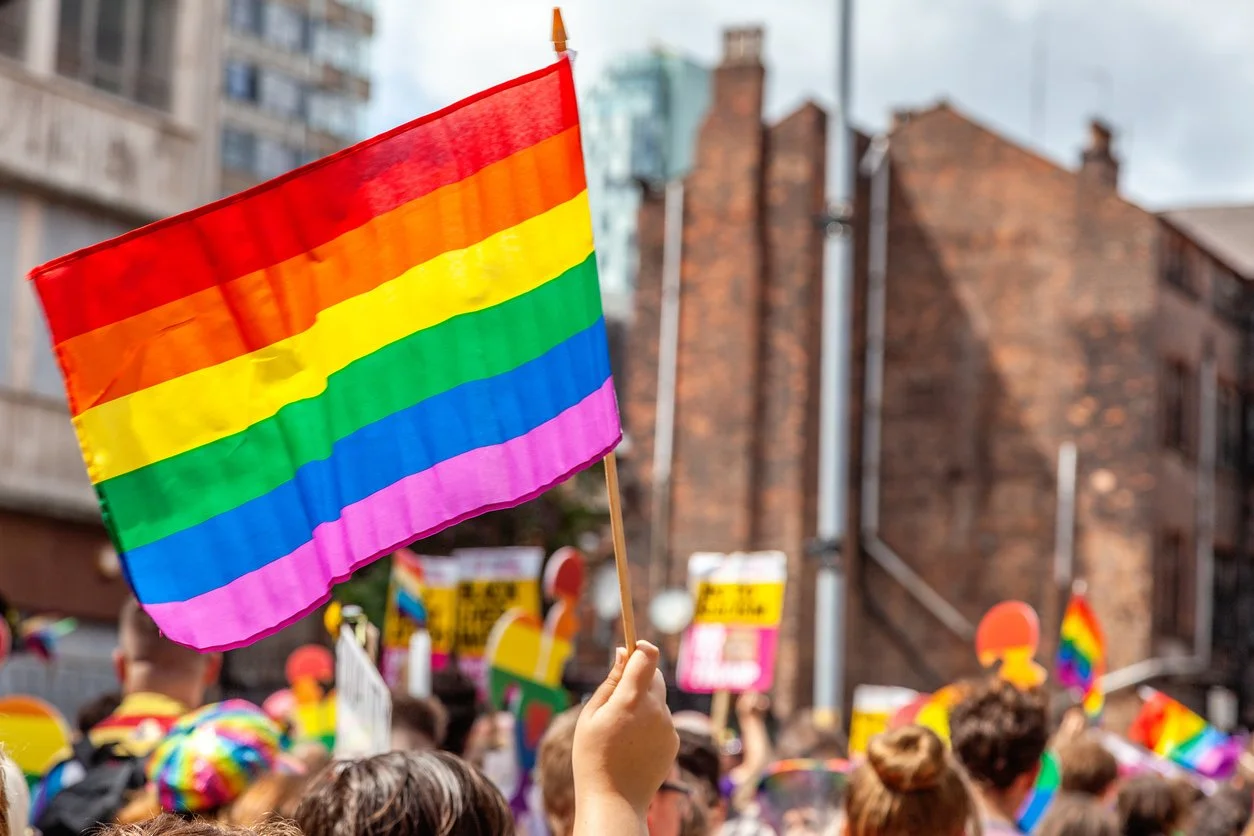
The Advisory Council on the Misuse of Drugs (ACMD) recently issued a call for evidence exploring patterns of drug use and drug-related harms within LGBT+ communities across the UK, with a particular focus on chemsex. The review seeks to better understand the unique drivers of substance use, the barriers people face when accessing support, and the actions needed to reduce harm and improve outcomes for LGBT+ people.