The Advisory Council on the Misuse of Drugs (ACMD) recently issued a call for evidence exploring patterns of drug use and drug-related harms within LGBT+ communities across the UK, with a particular focus on chemsex. The review seeks to better understand the unique drivers of substance use, the barriers people face when accessing support, and the actions needed to reduce harm and improve outcomes for LGBT+ people.
In response, the Anti-Stigma Network submitted evidence grounded in the direct lived and living experiences of our LGBT+ network members. Our submission highlights how stigma, discrimination, and systemic exclusion continue to shape LGBT+ people’s experiences of drug use, treatment, and care, and why current services often fail to meet the needs of diverse LGBT+ communities.
Below, we share the key points from our response, setting out the barriers that our members see, the changes they believe are urgently needed, and how services, policies, and commissioning frameworks can move beyond symbolic inclusion towards genuinely safe, affirming, and effective support.
What barriers have you observed that prevent LGBT+ individuals from accessing support or treatment? Are there any concerns of stigma, discrimination, or lack of understanding from general population services (e.g., mental health services, addiction services, sexual health services etc.)?
Stigma remains one of the most significant barriers preventing LGBTQ+ people from accessing drug and alcohol treatment and wider support services. Many LGBTQ+ people carry a strong anticipation of discrimination based on previous negative experiences in healthcare or social care settings, including being misgendered, having their identity questioned, or feeling judged or blamed for their substance use. This anticipated stigma often leads to delayed help-seeking or complete disengagement from services, particularly for trans and non-binary people, who report heightened fear of misunderstanding, inappropriate language, and disruption to gender-affirming care when engaging with mental health or addiction services. Minority stress, internalised homophobia or transphobia, and lack of family support further compound these barriers and are closely linked to increased substance use and poorer mental health outcomes.
A lack of understanding and cultural competence within general population services is another major barrier. Many mental health, addiction, and sexual health services continue to operate within heteronormative and cisnormative frameworks, assuming heterosexuality and binary gender identities. This is reflected in assessment processes, group settings, and treatment models that do not account for LGBTQ+-specific experiences, such as the impact of discrimination, trauma, chemsex and associated drugs, or culturally embedded alcohol / drug use within some LGBTQ+ social spaces.
There is particularly limited knowledge around trans and non-binary people’s substance use, including how medication, hormones, and mental health intersect with drug and alcohol treatment. When practitioners lack this understanding, people often feel invalidated, or required to educate staff themselves, reinforcing feelings of stigma and exclusion.
Service environments and interpersonal interactions also play a critical role in either reducing or reinforcing stigma. Positive engagement is strongly associated with feeling welcomed, listened to, treated with dignity, and seen quickly, which often beginning at reception.
Conversely, poor practice such as lack of eye contact, dismissive attitudes, or transactional interactions can make people feel invisible or dehumanised, confirming fears that services are unsafe. Group-based settings can be particularly challenging if discriminatory language, “banter,” or microaggressions go unchallenged, creating additional barriers to sustained engagement.
Structural and systemic stigma further limits access. Commissioning and policy frameworks often prioritise a narrow, normative risk profile based on heteronormative and cis gender demographics, which can further marginalise LGBTQ+ people and fail to recognise the diversity and intersectionality within LGBTQ+ communities. Experiences of racism, homelessness, poor mental health, disability, and poverty intersect with sexual orientation and gender identity, creating multiple layers of disadvantage.
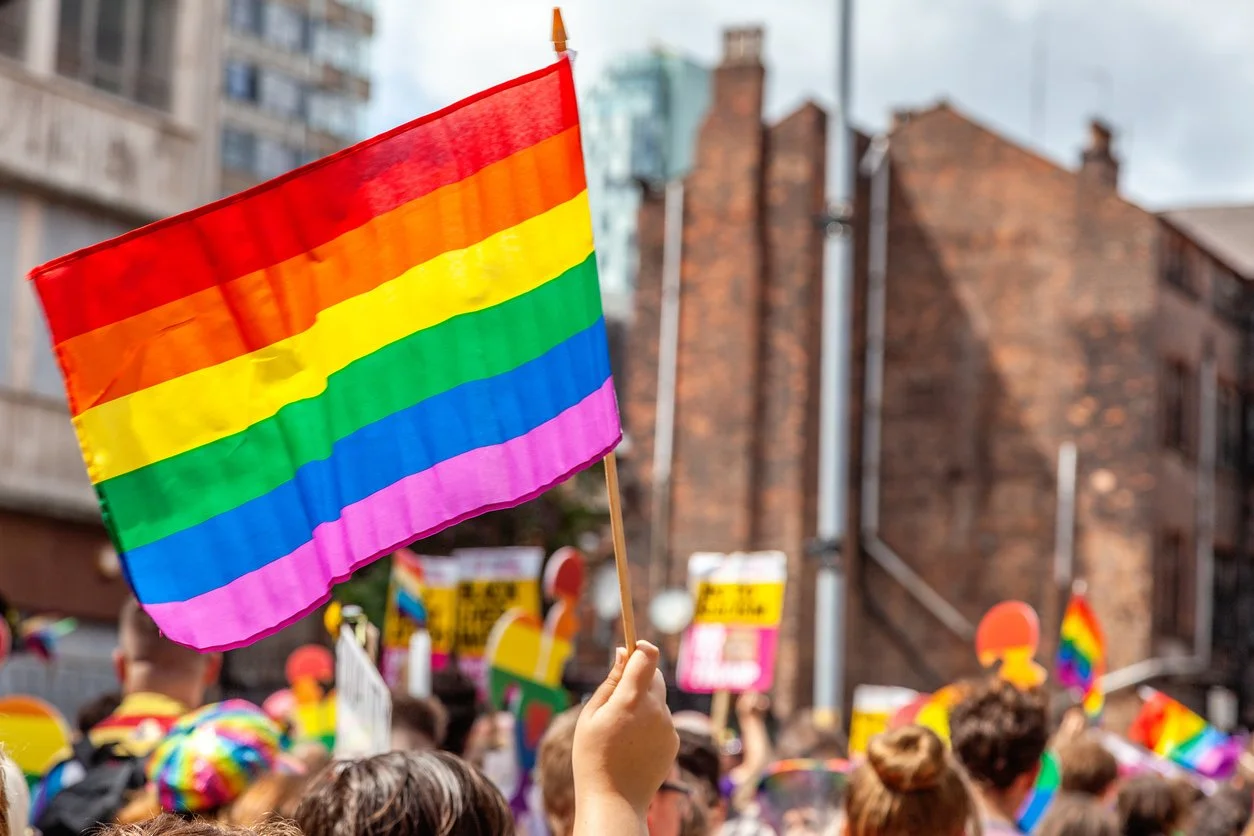
While visible signs of inclusion such as LGBTQ+ posters, rainbow lanyards, and Pride involvement can help reduce anticipated stigma and signal openness, they are not sufficient on their own. These approaches must be supported by meaningful, intersectional action to ensure they are experienced as inclusive in practice. Within LGBTQ+ communities, services and branding can sometimes unintentionally centre white, middle-class, cisgender gay men, which may leave others feeling excluded or unseen. In particular, LGBTQ+ people from minoritised racial and cultural backgrounds do not always identify with the rainbow flag as a symbol of safety or belonging. As a result, inclusion efforts must go beyond visibility and be grounded in cultural competence, representation, and genuine engagement with diverse lived experiences.
This includes ongoing training focused on inclusive language, pronouns, and a deeper understanding of why inclusion matters in practice; increasing staff diversity; supporting LGBTQ+-specific and community-led groups; and embedding strengths-based, affirming approaches that recognise LGBTQ+ identity as a source of resilience rather than a problem. Meaningful LGBTQ+ representation within the workforce of intersecting services, such as housing, mental health, and sexual health, is also essential, given that LGBTQ+ people are disproportionately represented within these systems. Without this depth of understanding and sustained commitment, stigma will continue to act as a persistent barrier across mental health, addiction, sexual health, and related services and create further long-term ramifications for health and wellbeing, including missed preventative care and reliance on crisis services.
What changes would you recommend to improve support, reduce harm, and better inform LGBT+ individuals experiencing drug-related harms?
At a service level, there is a clear need for improved LGBTQ+ cultural competence across drug and alcohol, mental health, sexual health, and homelessness services. This includes mandatory, ongoing training on inclusive language, pronouns, trans and non-binary identities, and the specific ways stigma, discrimination, and minority stress influence substance use.
Training should go beyond policy compliance to foster genuine understanding and lived-experience-informed practice, ensuring that staff can actively create inclusive environments rather than simply follow rules. Without this depth of engagement, policies risk being symbolic rather than transformative, failing to address the everyday microaggressions, discriminatory language, and harmful “banter” that LGBTQ+ people may experience in both staff interactions and group settings. Creating safer environments also requires practical changes such as inclusive assessment forms, clear confidentiality practices, gender-inclusive facilities, and consistent use of affirming, non-clinical language.
Reducing structural stigma also requires changes to commissioning, data collection, and policy frameworks. Current models often rely on narrow, normative definitions of risk that prioritise those already able to access services, overlooking the intersectional realities of many LGBTQ+ people. Frameworks relating to drug-related harm, severe and multiple disadvantage, and adverse childhood experiences should be reviewed and widened to include experiences of homophobia, transphobia, racism, and exclusion. Co-production with diverse LGBT+ communities particularly trans and non-binary people, LGBTQ+ people of colour, and those with lived experience of homelessness or poor mental health is essential to ensure services reflect real need rather than assumptions.
Expanding and investing in LGBTQ+-specific and community-led provision is critical to reducing harm. Peer-led groups and services run by people from within LGBTQ+ communities are consistently experienced as safer and more accessible, particularly for those who have previously disengaged from mainstream services. These spaces allow for shared understanding without fear of judgement and can better address LGBTQ+-specific patterns of drug and alcohol use, including chemsex, substance specific support, and the impact of trauma and social exclusion. It is also essential to recognise the significant diversity within LGBTQ+ communities: experiences differ widely, for example, between trans and non-binary individuals and cisgender gay men and lesbian women, and service provision must reflect this by offering tailored support / groups that acknowledges these distinct needs. Where specialist services are not available, strong referral pathways and partnership working with trusted LGBTQ+ organisations should be embedded into mainstream provision to ensure that all identities within the community are supported effectively.
Are there any policies, guidelines, or service models you believe should be adopted or expanded?
Policies and service models should focus on embedding LGBTQ+ inclusion across all relevant services, expanding community- and peer-led provision, and ensuring intersectional cultural competence training for staff. Workforce diversity, visible and meaningful inclusion in service spaces, and strong referral pathways to specialist or community-led services should also be prioritised. Importantly, these approaches must go beyond policy compliance to create genuinely safe, affirming, and tailored support for the diverse experiences within LGBTQ+ communities.
What would make general population services (e.g., mental health services, addiction services, sexual health services etc.) more accessible, welcoming or safe to LGBT+ individuals?
As addressed in previous answers, general population services can be made more accessible and safer for LGBTQ+ people by embedding meaningful cultural competence, ongoing staff training on inclusive language and identities, practical measures such as gender-inclusive facilities and forms, and visible yet genuine signs of inclusion. Services should recognise the diversity within LGBTQ+ communities and provide tailored support, alongside strong referral pathways to specialist or community-led provision, to ensure all LGBTQ+ people feel safe, welcomed, and supported.