Stigma Survives in Silence - And Breaks When We Speak
By Bea Clother

Hi! I’m Beatrice (you can call me Bea), and I’m thrilled to be writing this blog. Firstly, because I love writing - I love words. I’ve written an hour-and-ten-minute one-person show around the topic of addiction, and trust me, the process of writing, rehearsing, and performing so many words is something even a word fan like myself can question as being too much. Hopefully I won’t use too many words here, although I shan’t promise anything…
So, I had a drink and drug problem when I was younger. Said problem led me into many challenging situations, some of which could have been life-threatening. These experiences led me to the crushing realisation that I had two options: I could either continue drinking and using drugs and either die or end up in prison, or I could try to get sober. I chose the latter, and having stayed sober for just shy of four years now, my biggest question has been: why didn’t I understand addiction sooner - and how can we make it easier for people to ask for help without shame?
During my time at university, I wrote a dissertation (as many do!). Academia isn’t my strong suit and, to be honest, it was painful from start to finish. If I was going to put myself through that, it might as well have been about something I care about: on addiction and theatre. The most influential book in my research was The Stigma of Substance Use Disorders by G. Schomerus and P. W. Corrigan. The book laid out, through academic research and personal stories, the many systemic and societal ways in which people with substance use disorders are stigmatised, and how that perpetuates rising drug- and alcohol-related death rates.
This made one thing clear to me: stigma isn’t just harmful - it’s deadly. My mission became fighting the stigma around addiction.
When I think of stigma in relation to substance use disorders, I first think of the early representations of drug and alcohol use that I was exposed to. I had a family member who had a drink problem. The rest of my family spoke about this in hushed tones, as if the word “alcoholic” was worse than swearing - something so shameful they didn’t want to be associated with it. Yet on TV, and among friends and family, alcohol was spoken about with a certain reverence, like it was the companion everyone should want at their party, night out, camping trip, or BBQ.
Drugs, in films, seemed similar. I remember at school being given a booklet that listed all mind-altering substances, their effects (the “fun” part), and the comedown (the not-so-fun part). The teacher then proceeded to tell us about her own experiences “when she was young.” It seemed to me, as a young person, that drink and drugs were good and fun - but people who became addicted were bad and shameful.
That’s stigma: separating “us” from “them”.
I couldn’t have told you then what the warning signs of addiction were, or how to drink or use drugs safely.
I had absolutely no chance of understanding that, from the moment I picked up a drink - and later drugs - I was using them in an addictive way. Rather than elevating an already positive experience, I was using them as an escape from every part of myself: my social anxiety, my repressed worries and fears, and a feeling of loneliness. Instead of dealing with my problems, I was pouring drink onto them.
The scary part was that I could be honest with people, and they didn’t bat an eyelid. “Stressed from work” or “dealing with grief” seemed like valid reasons. So it crept up on me slowly but surely, and before I knew it, I was drinking every day. When I tried to speak to people then, they thought I sounded like I had a problem - but the motivation was still the same. It had been building towards that point for a while, but no one had noticed.
It felt like there were only two identities available: either a normal, fun-loving person who drinks sometimes, or a criminal, conniving reprobate who drinks constantly. The image of a park bench… springs to mind.
The vast spectrum in between was invisible - and stigma thrives in that gap.
I think this is why a lot of people in my life made excuses for me. I was “too young” or “just having a hard time.” The sad truth is that they - like me - just lacked education about what addiction is. Thankfully, the scientific field has moved on from the blame model… The NHS now defines addiction as not having control over using something to the point where it could be harmful. But stigma hasn’t caught up with the science.
I encountered many therapists, self-help groups, counsellors, and charities. While these interactions were helpful, they didn’t get me sober. In many ways, they reinforced the idea that I was “wrong.” I carried so much shame that hearing “you must stop” pushed me further into isolation - which is exactly where stigma keeps people.
Then I got into podcasts. I heard two celebrities I looked up to speak openly about their struggles with drugs and alcohol, and how recovery changed their lives. What helped even more were community groups, where I spoke to people with lived experience. Seeing people I admired admit defeat and ask for help enabled me to do the same.
I slowly began to stop stigmatising myself. I started to see myself not as a bad person, but as someone who had been trying to cope without the right tools. Eventually, I began to see my recovery as a strength. It’s actually really f**king cool that I’m sober - rock and roll.
I had no idea that a new and beautiful way of living lay on the other side of addiction - or that people like me could be addicts, let alone recover. That belief is shaped by stigma - and it keeps people stuck.
My life today isn’t perfect, but it’s full. I make and perform theatre; I tell stories. I have a strong community, and a life I care about. I’ve educated myself on mental health, mindfulness, and spirituality. I know I would have missed out on all of this if people hadn’t shared their stories and helped me break through my shame.
To bring it back to the book I mentioned: the authors came to the same conclusion I have - that sharing lived-experience stories is one of the most powerful ways to fight stigma. They also noted that when the storyteller is perceived as “trustworthy” or “high status,” the story can carry even more weight.
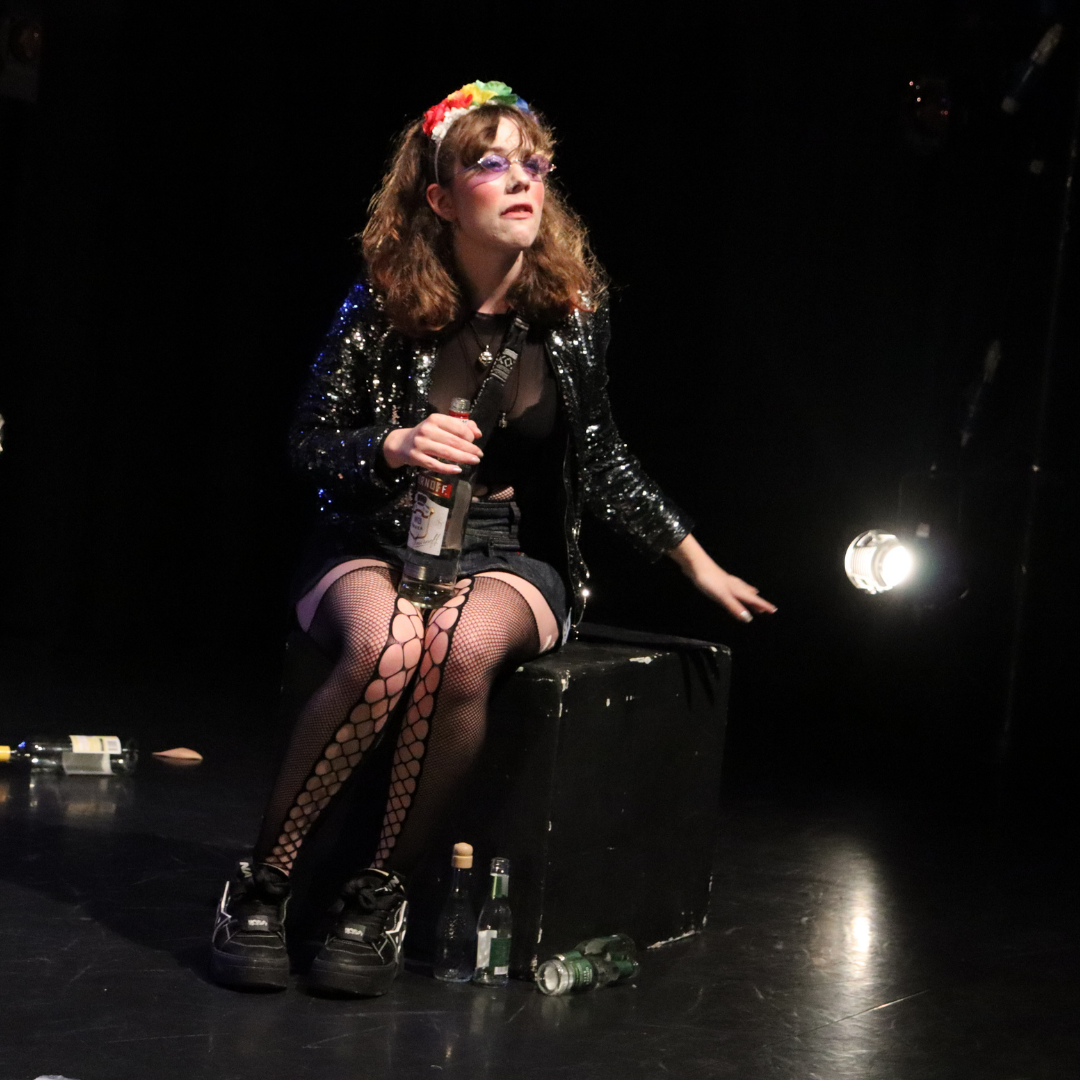
My show is one way of giving my story that weight. I’m a trained actor… I use storytelling to engage people, challenge assumptions, and open up conversations about addiction.
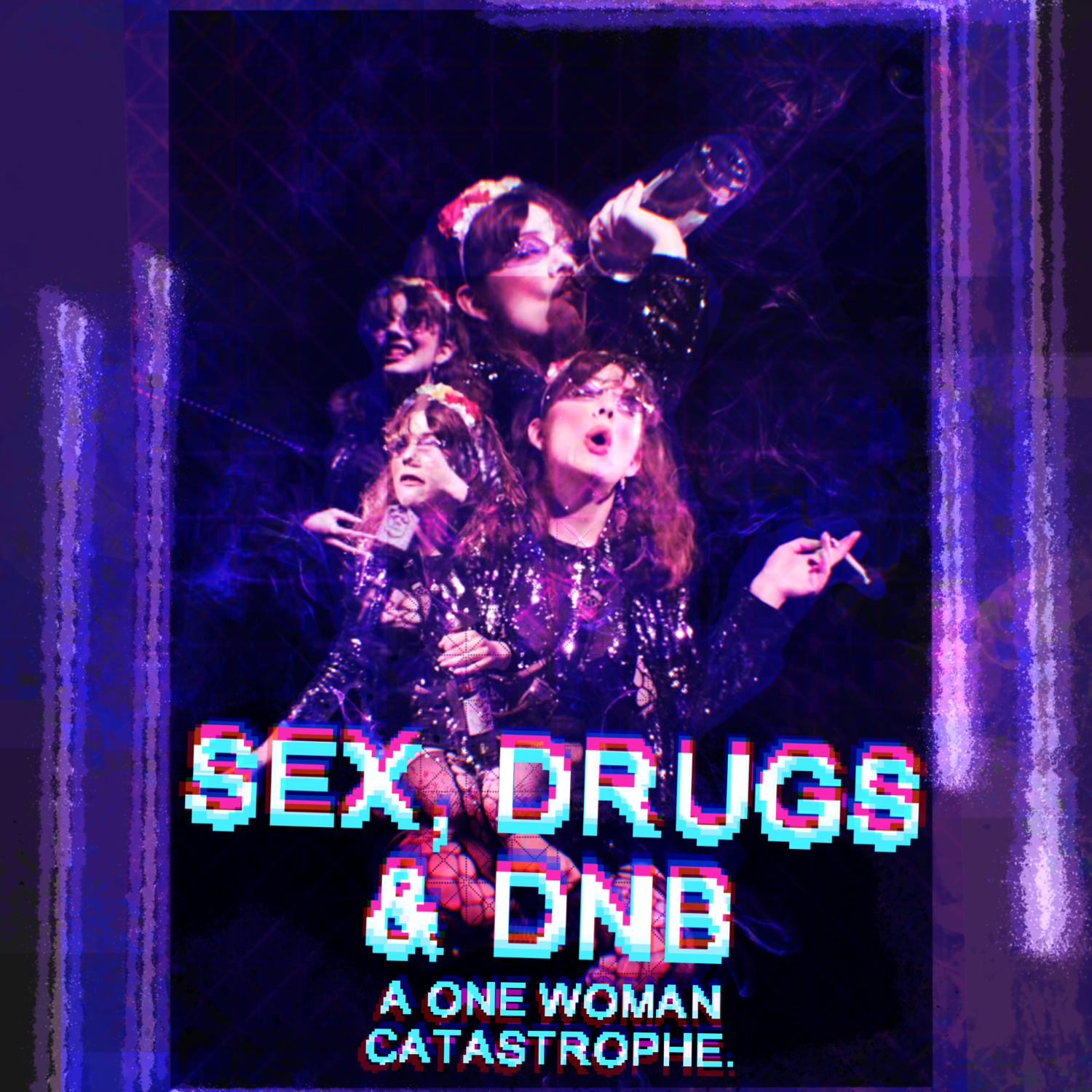
I understand that making a one-woman show isn’t everyone’s answer. But I firmly believe that sharing lived experiences - however it manifests - is one of the most powerful tools we have to fight stigma and reduce harm.
And telling these stories is all our responsibility. Never underestimate the power of sharing your experience.
Stigma survives in silence - and it starts to break when we speak.
If you resonate with or like what I have to say, I say things onstage! My one-woman show is in Brighton Fringe 14th and 27th May 6:45pm @ The Temple Bar (I see the irony of my show on alcoholism being in a bar…). You can also catch me on the No Agenda Drop in Session for the Anti Stigma Network on the 28th April at 12pm. You can find tickets for these shows, on my socials (to follow where the show goes next) and more here: https://linktr.ee/beaclother02.