Challenging stigma through storytelling: An interview with Stuart Falconer from The Junkie Miracles
People who use drugs are often spoken about in policy debates and the media, but rarely do their own voices take centre stage. A touring theatre production across Scotland is working to change that. The Junkie Miracles, written by Des Dillon and performed by actor and producer Stuart Falconer, brings to life the stories of four people with lived experience of drug and alcohol use.
Inspired by accounts shared through Riverside Community Trust in Ayr, the play explores the turning points that shaped their journeys towards recovery.
First performed to a sold-out audience at the Gaiety Theatre in 2022, the production returns for a 2026 tour, joined by actor Samantha Dodds (EastEnders, Doctors). As part of our work at the Anti-Stigma Network, we spoke to Stuart Falconer about the play, recovery, and the importance of telling these stories to challenge stigma.
Question: How would you describe The Junkie Miracles?
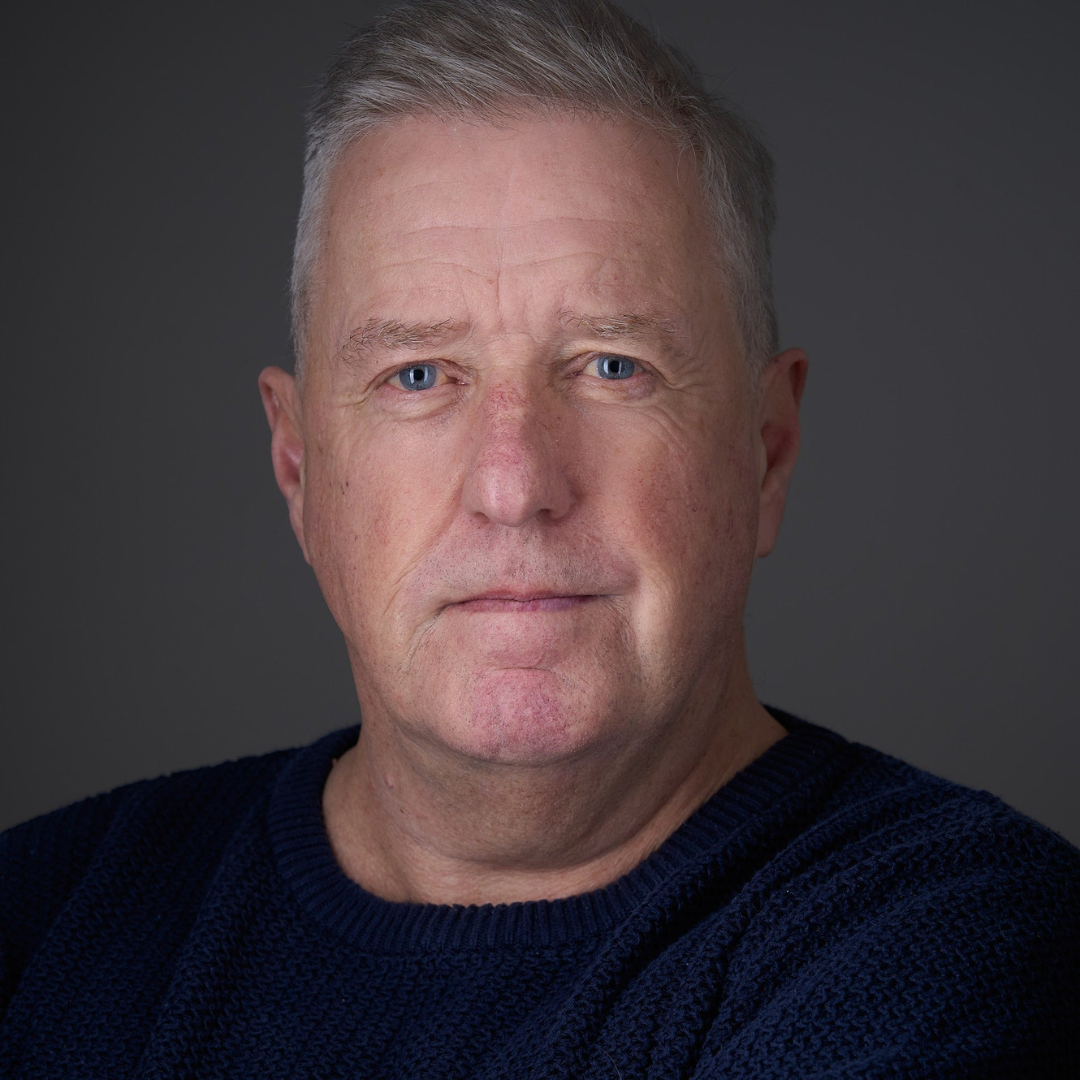
Stuart: The Junkie Miracles is true stories of four people in recovery. It doesn't sugarcoat anything. It stays true to these people's stories - how they got into addiction, what they did and how they did or did not recover.
The play was written by a Scottish playwright, Des Dillon, well known for a play called 'Singin' I'm No a Billy, He's a Tim'. Des is over 20 years sober. Des interviewed four people in a recovery cafe called the Riverside Trust Drop-in Centre. He then shaped these into a play.
I myself am seven years sober, coming up to eight years, one day at a time. I nearly lost my life to it. I started my own theatre company called 12 Step Productions because that’s how I got sober, through the 12-Step Programme. I took the show on the road to eight theatres in September and we got great reviews.
The play was made because of stigma, everyone has a stereotype of what someone experiencing addiction looks like and it’s cruel. Addiction doesn’t discriminate. You see that in people who have spoken publicly about recovery, like Elton John, Brad Pitt, Anthony Hopkins.
I’ve met so many professional people – doctors, airline pilots, people who are working. This play is to take that stigma away. We are human beings, with feelings, who suffer from a terrible illness. It's to educate people and to get them to empathise. You can see that from the reviews - people who didn't understand addiction and come out with a changed perspective.
Question: Can storytelling help people understand addiction in ways statistics or reports can’t?
Stuart: Yes, totally, because you're actually seeing addiction live in front of you - done by professional actors - it's raw and it's funny. Where there's tragedy, there’s comedy. There's some stories in the rooms where people talk about addiction, that are just crazy, but you've got to laugh at them. The show gives people a true insight, and I feel they actually see what addiction is all about. It's a roller coaster of emotions that they get through. My sister came to see the play and she said she's never laughed and cried so much in the one night.
There's a scene in the play where you'll see me turn from a happy guy, into a crazy guy, and a sad guy into a neurotic but psychotic kind of guy, in the space of nine seconds. That's what happens. Your brain is going 100 miles an hour. And it's shown on stage. People never see that side of someone experiencing addiction. They have only seen what they perceive, or what they've read or seen in the newspapers or television and film. They don't see the personal side, when that person's crying and lying in their bed because they know they've got to stop but they just don't know how.
Question: The Anti-Stigma Network works to challenge stigma experienced by people who use drugs and alcohol. Why do you think it's important these stories are shared?
Stuart: It’s important, especially for families and friends who may not understand addiction. People often form quick judgements without seeing the mental and emotional impact - only the outward signs.
Many people are closer to addiction than they realise. Most of us know someone who is struggling, even if it’s not openly acknowledged. When it does become personal, people begin to understand the impact it can have on individuals and families.
This play helps show that full picture - how addiction takes hold, and how it affects those around it. It’s raw, but it also brings moments of humour. People leave with a different perspective and a greater sense of empathy.
Question: The title, The Junkie Miracles, might be a bit challenging perhaps for some people. Has the title sparked any conversations?
Stuart: Only a couple, I would say. Believe it or not, not one came from an addict. I'll give you the examples: I was handing out flyers in Greenock and this wee woman came up to me and said, “I don't like that name, son. I don't like that name at all. My son was one of them at one time. I hate that word - junkie.”
But you see the play was named by the four people from the show. That's what they called the play. I said that to that lady, I said I can't do anything about the name of the play. It was named by people like your son and me. They named it.
People who struggle with addiction didn't call themselves a junkie. That was done by society. Society came up with that name.
Another one was an alcohol and drug Partnership up here in Scotland. They helped me with the show last time and they asked if we could put a caveat under the name. They said they were getting money from some businesses, and the businesses didn't like the word junkie.
It goes back to the thing where people don't want to see it. They want to go home with a clean conscience, but they don't want to see it. It's a word. We could easily turn that around, but why should we? For one, the guys who named it wouldn't let us do it. They own the rights to this play. Des gave them the rights - and they in turn gave the rights to the Riverside Community Trust. So all the money goes back down to the Riverside Community Trust.
Question: Could you tell us a bit more about Sam Dodds coming on board?
Stuart: Yes, Sam Dodds from EastEnders and Doctors has come on board, she's in recovery from heroin use - eight years sober. She takes on the role of Chelsea, a character experiencing heroin use. She didn't start in her journey with addiction until she was 38. You don't need to be a teenager to be into drugs or alcohol. It can come up on you any time in life, it’ll climb up on you. Then it gets its claws in on you. By the time that comes, you can't stop and you don't know why. Just another point to make is that it doesn't discriminate, it doesn't.
Question: The play is based on real experiences from people in recovery. What was it like working with those stories and helping bring them to life on stage?
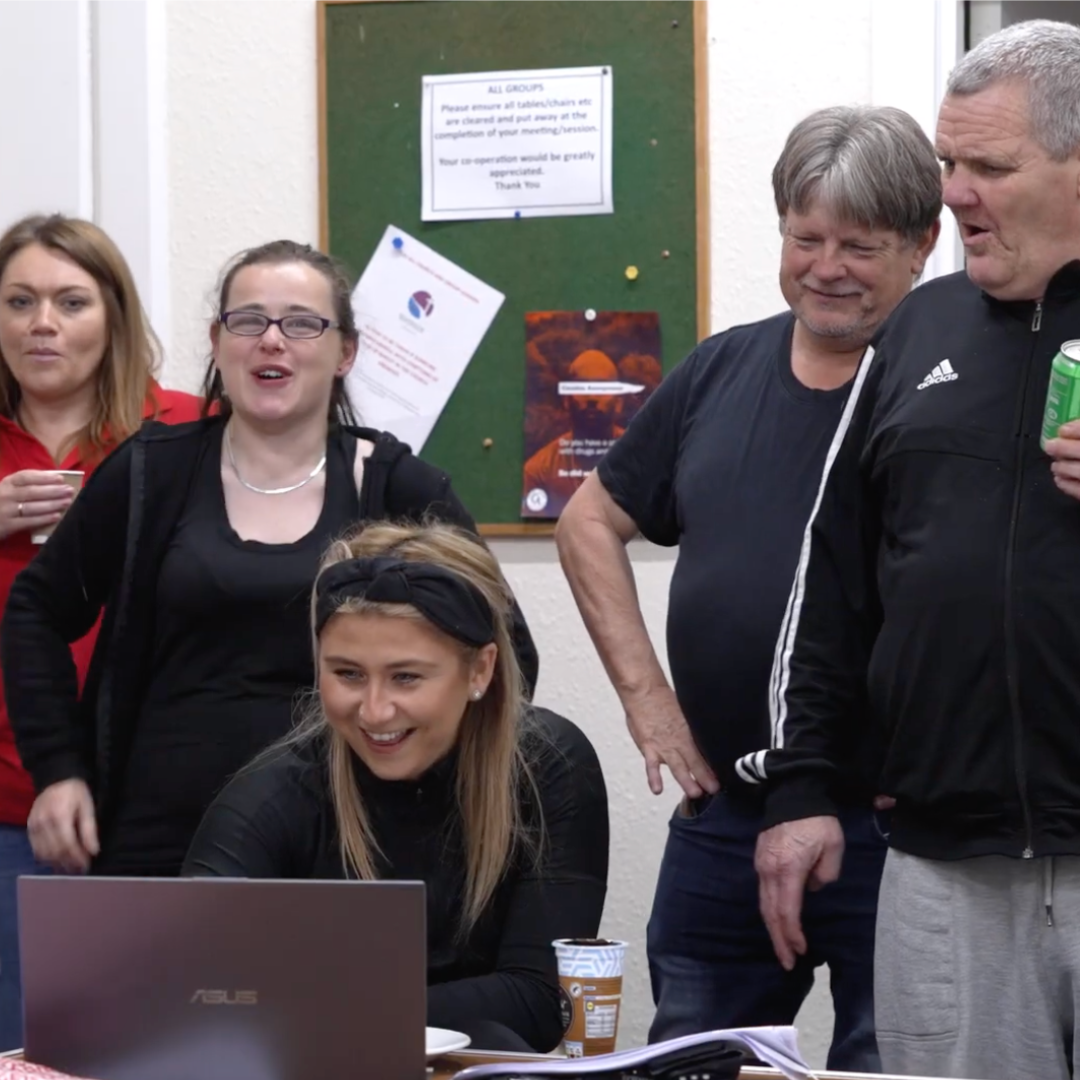
Stuart: It was an amazing privilege to bring it to life. This work was originally all done with the people who feature in the play. The actual people gave up their time and then left it to Des to format. Then when the play came across to us in the scripted version from Des, there's things you can do and things you can't do on a stage. So we worked on that and developed it to what could be done, and what came out was great. It was great to work beside those actors and it was great to work beside Mark who was one of the people featured, who was a cocaine user - who wasn't an actor, but my goodness, what a performance he put on.
From a recovering addict's point of view, I could see the potential the play had. I live my life by the 12-step programme, and the last step is to stay sober and help other addicts. That's where you get the strength to carry on and get your recovery. So much of recovery is sharing your story.
I can sit in front of an audience getting applauded, but when I know I've helped someone with their recovery that's when I can feel the hairs on the back of my neck standing up. It's totally amazing. It's a miracle. It's a wee junkie miracle.
You can see some of how the play was created here.
Question: Has being involved in theatre and storytelling played a role in that recovery journey for you?
Stuart: That's a hard question. It didn't play a role in getting sober. I was 30 years trying to get off the drink and drugs, I was lucky I got into hospital. I’ve been left with a brain injury because of my addiction and my brother, who was also an alcoholic, died prematurely at 59. I’ve been told that if I go back on, I’ll end up in a wheelchair, and I know I’ll end up dead anyway. But even that didn’t stop me at the time. That’s addiction.
People say the hardest part is stopping… but it’s not. The hardest part is staying stopped. I found it in a 12-step programme - that worked for me. I'm not advocating that for everybody. I can only tell you my story.
This play played a role for me once I got to a stage in my sobriety where I was comfortable doing things. Getting sober opened up my world, made me believe that I could do anything that I wanted. I had lost my acting career through everything but when Dev brought me into The Junkie Miracles and I could see the potential. I guess you could say it was another stage in my recovery. It was a blessing getting it.
Doing the play and meeting the people, it's just been a progression. It's always going to be a work in progress because we're human beings.
This play gave me a great feeling that not only am I going to be helping other people in recovery, I'm going to be helping society with this.
Acting had always been what I wanted to do and I've incorporated my recovery, my daily life and my supporting others in addiction into it and long may it remain so. I hope I can do that to the day I die. I've never felt better in my life, and it's great to see other people get better.
Question: What conversations do you hope the play might start for audiences?
Stuart: Well, I know that this play has already has brought some action, some awareness and some knowledge to families who have people in addiction. I've been stopped a few times coming out of the play by people who have asked how I could go about help for a family member. They get to see both sides of the debate here. They've already got an opinion but they don't know about the suffering. They don't know the illness. They only know what they think they know, or what they think they see.
It also helps to see that it's not your fault, it's nothing you've done. And that helps, especially with mothers, they think they've done something or something's happened, and it's nothing. But you are causing absolute chaos to the people you purport to love - and you do love them, but you just can’t stop. I used to say that to my mum and then I’d be in her purse stealing off her.
I do a wee speech at the end of the play where I mention that there's a program for the show which we give out with a list of different organisations that have worked with. I just maybe just leaving the programme out while you're visiting someone dealing with addiction. Hopefully they'll pick it up and hopefully it might plant a seed and then hopefully they might do something down the line. It took 30 years for that seed to grow on me, but there’s always hope.
Question: Have any audience reactions surprised you?
Stuart: There was only one, yeah, and it was a wee alcoholic woman, she said it wasn’t funny enough! But, no, nothing surprised me.
Question: Looking ahead, what would you like to see change in how society talks about addiction and recovery?
Stuart: I've got to go to politics a wee bit here. I would like councils, governments and those in positions of power to not play pay lip service to addiction. There are people who have got a heart of gold - want to help, which is amazing - in Scotland, in particular, you've got alcohol and drug partnerships and for different regions, but not one of them talks to the other. Each one has got their own wee agenda. There should be some kind of structure where they're talking to each other, throwing ideas around.
We’ve got to be connected to make things easier for people, because we want to see people get better. I feel as if they're wasting a lot of money and not getting the results they should be getting, especially in Scotland where one in five of the population of Scotland has got a problem with alcohol or drugs.
I don't think there's enough being done for kids. And I'm talking about kids from 10-11 years on. I've noticed, there's quite a lot of younger people coming into the rooms now, which is good. What I can do is my 12-step programme, stay sober and help every person that I can who comes my way and do that to the best of my ability.
The best things I've ever done in my life are that I've seen my daughter being born when I was sober, I never seen her leaving school, I never seen her leaving primary school, secondary school, college, universities, 18th, 21st - never seen anything like that. She was out of my life then. The second was I got myself sober. And the third was when I walked her down the aisle at her wedding sober. It's not material things - you realise that very quick, material things mean absolutely nothing.
It's the joy of living, the joy of putting your head on your pillow - the joy of not worrying about things and the joy of knowing that things are going to happen in your life, but it doesn't mean to say you're going to run for a drink. You can deal with them. I'd love to take the show throughout the UK and get to a big wider audience, that certainly would get the problem of addiction noticed.
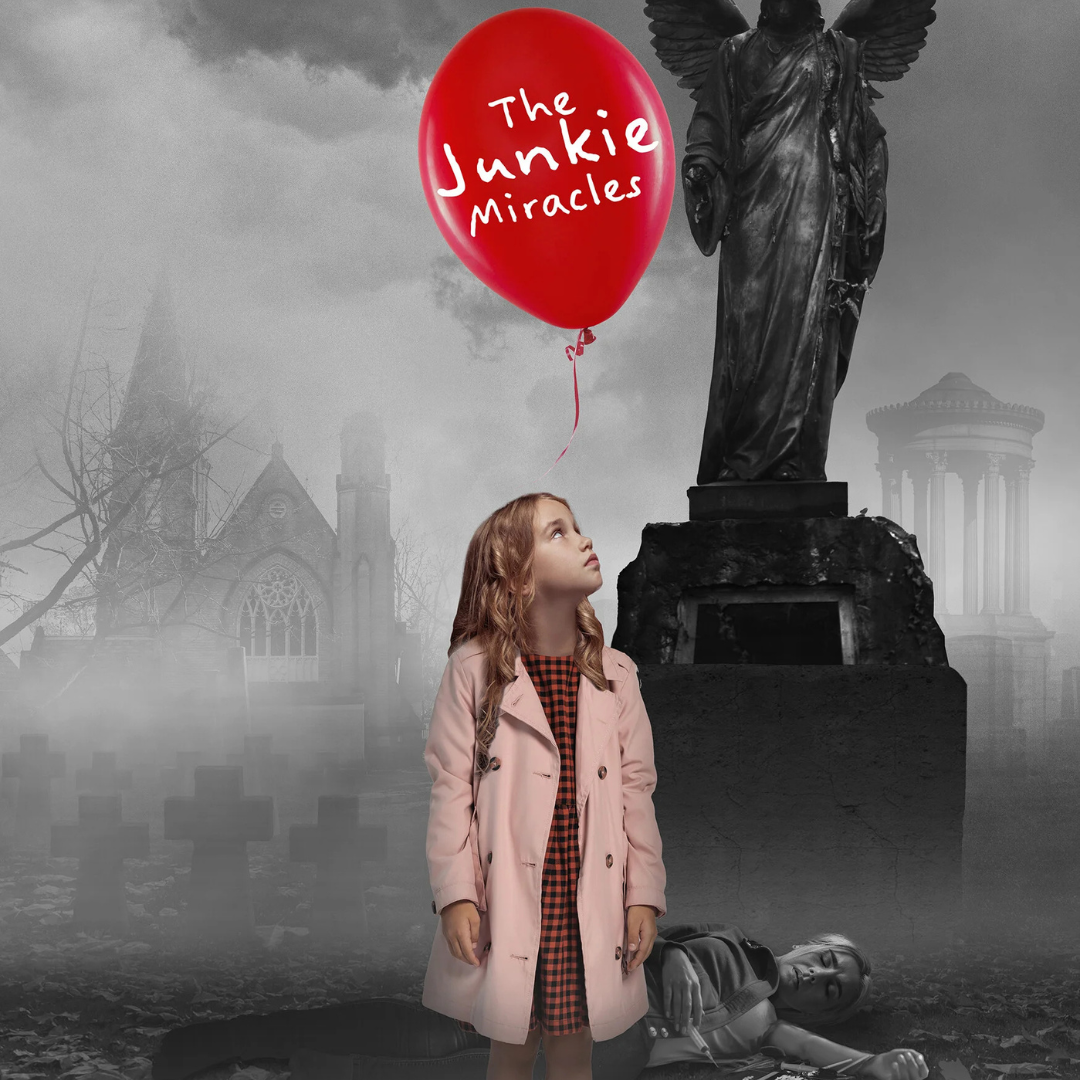
About the tour
Following a successful run across eight theatres last year, The Junkie Miracles returns in 2026 with updated sound and choreography.
The production highlights the humour, resilience and hope that can exist alongside dependence and recovery, while also acknowledging the impact alcohol and drug use can have on families. It brings forward voices that are often unheard because of the stigma surrounding alcohol and drug dependence.
Tour dates
Grangemouth Town Hall – 3 April 2026
The Brunton Corn Exchange – 4 April 2026
Airdrie Town Hall – 17 April 2026
At the Anti-Stigma Network, we know that stories have power. By bringing lived experience to the stage, productions like The Junkie Miracles can challenge stereotypes, encourage empathy, and help create more compassionate conversations about addiction.
Access and support
To help ensure the play reaches people with lived and living experience of addiction, the production team has been working closely with recovery organisations and support services across Scotland.
A 50% discount is available for people in recovery, those currently struggling with addiction, staff working in services, and family members affected by alcohol and drug use.
Use code: RECOVERY1
Get in touch
Stuart has also shared that he is happy for people to contact him directly if they would like to speak about their own drug or alcohol use:
📧 [email protected]
Find out more
Find out more about 12 Step Productions here