Starting Where You Are: Influencing as an Individual with Lived Experience
By Laura Willoughby MBE – CEO, Club Soda
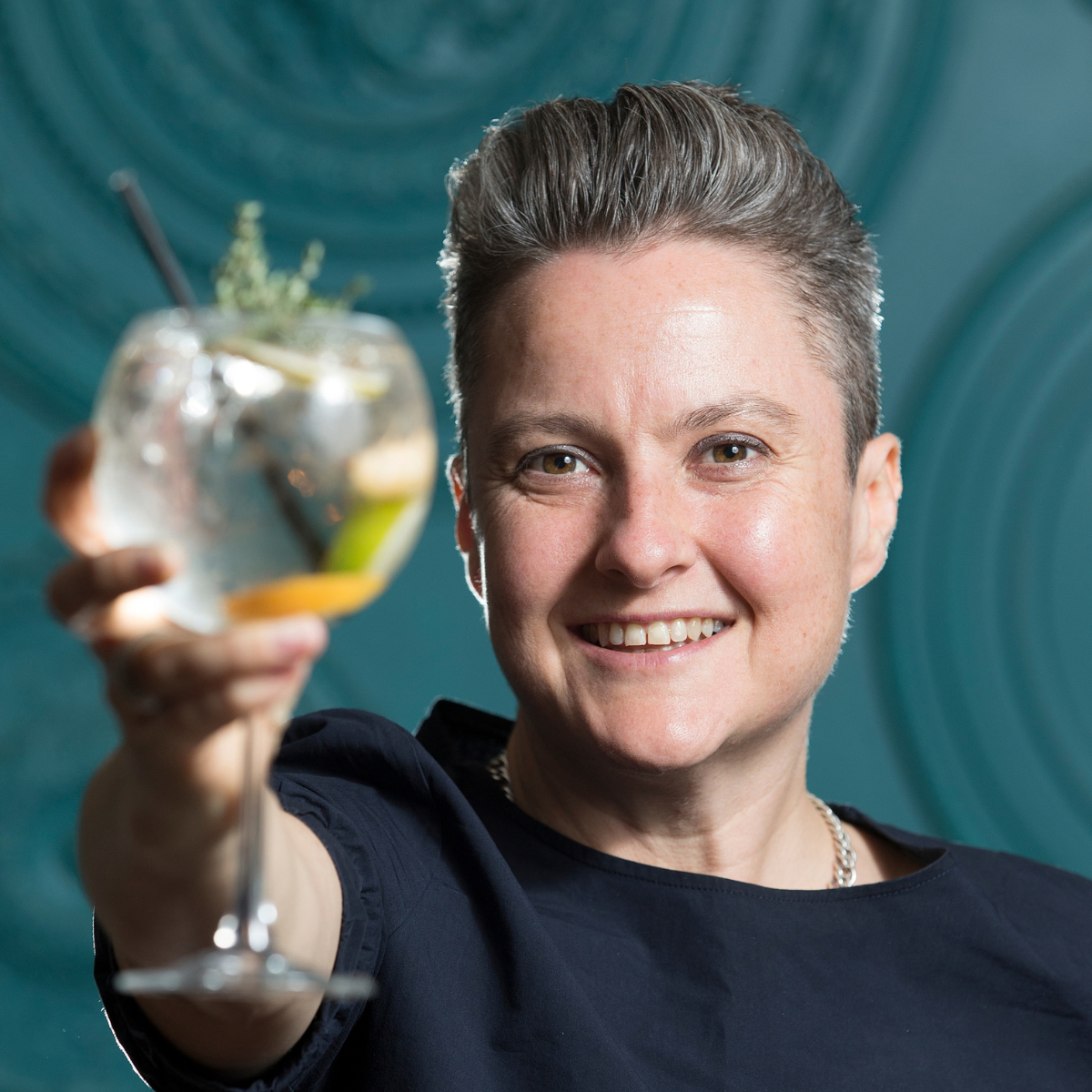
I’ve always believed that community is the superfood of behaviour change. Realising that you’re not alone is genuinely inspiring, and lived experience provides the nuance that standard advice simply can’t.
Of course it’s not for everyone, but if you feel happy to share your story, the positive effects on others, systemic structures and stigma more broadly, can be profound.
Where do you start?
When I founded Club Soda (which was created to mobilise a community of behaviour change around abstinence and moderation), I felt that I couldn’t really set up a business about giving up drinking without sharing my own story. So that’s something I did from very early on in the process and, given that the Club Soda community grew incredibly quickly (within a couple of years we had more than 100k in our online community) I knew it was important to role model being open about my personal journey.
I gave up drinking in 2012. I had lost my dad to problem drinking and, knowing that I’m my father’s daughter, I became concerned about my own alcohol consumption. At the time I was in a job I didn’t like, and I realised that I was drinking more. I was beginning to bore myself and realised I needed to do something about it. I needed to make a change.
I had so many books on the topic of giving up alcohol but it didn’t suit my learning style, so I attended a course in order to meet others who were in the same position as me. Unfortunately, I found the course itself to be really unethical, and I didn’t get much out of it. However, I did get a lot out of meeting others and the course date served as a deadline for giving up alcohol. I haven’t drunk since, and I’ve never looked back.
When it came to sharing my story, I was very careful about how to couch it and how to use approachable language. I was also keen to make sure that I was personally comfortable with how I describe my identity and journey, bearing in mind that phrases such as ‘sober’ or ‘alcohol free’ are both fine, but it’s completely up to you how you describe yourself and what you feel relates most closely.
The importance of lived experience
Lived experience is, quite simply, invaluable. If you’re campaigning on an issue that you have lived experience of it gives you the authority you need to talk about the subject to policymakers and other influencers. It also shows others who might be going through something similar that you understand, care and that you know what it feels like. For me, in our Club Soda community, it allows me to role model what life can look like if you can get your drinking under control.
It can also raise aspirations. As Club Soda is there to look at moderation as well as abstinence, there are a wide range of stories and experiences shared among the community. I remember one woman, who joined the online community to moderate her drinking, ended up giving up completely. She saw the stories from members who had given up alcohol and wanted some of the benefits of an alcohol-free life herself.
Government advice around alcohol goes some way to helping people but it simply isn’t enough. Lived experience can help people relate to the psychology of problem drinking. Until you hear other people’s stories, you can’t believe that the little voice in your head is shared by nearly everyone else too. And that’s a really powerful thing.
Turning personal experience into influence
There are so many ways to use your experience for positive impact. You can share your lived experience on podcasts, social media, traditional media, through the arts, literature, and simply just meeting and chatting to people.
When it comes to engaging with MPs and other stakeholders, it’s important to be clear about what you’re trying to achieve – whether that’s in terms of increased services, policy change or, in Club Soda’s case, improving the range of alcohol-free drinks in pubs and other licensed venues.
But it’s important to remember that you don’t have to do it alone. For example, if you’re campaigning for national policy change, speaking to organisations like Alcohol Change would be a good first step. And if you’re campaigning locally, find others who share your vision, and rally together to amplify your voices.
However, one area that does concern me is how some people with lived experience offer professional one to one services to coach and teach others without the relevant qualifications and formal experience. I would just urge anyone who is interested in this approach to complete the relevant training before offering anything to anyone who might be vulnerable.
Using your story safely and sustainably
There are several things you can do to safeguard yourself when it comes to sharing your story. For example, if you’re speaking to a journalist always ask them if you can read or listen to what they’ve written before publication. It’s your story, and you have every right to make sure that it’s representative. If it isn’t, then feel free to request edits. It’s also worth asking for the headline in advance, as this is often written by another member of the media title’s team and it will be the first thing a reader notices.
If you would like reassurance in advance of the interview that you will be able to get a read back, then ask the journalist to agree to it in advance.
You also have the right to change your mind and say you don’t want to share it after all. Obviously, it’s important to raise this before publication, but you can always ask for a story to be removed from online sites post-publication too – even if it’s several years later.
I also think it’s important to write down some of the key parts of your story in advance of any interviews or presentations, so you can ensure you’re using the language that you most closely identify with. For example, I describe myself as alcohol-free rather than sober, and that’s a personal choice. There’s no right or wrong, but when it comes to my experience that is how I’d like it to be referred. So, if there are words that you are particularly uncomfortable with (e.g. alcoholic/addict) then feel free to raise this in advance with the journalist.
Working with the media and social media leaves a footprint, so it’s worth doing everything you can to ensure that it’s a footprint you feel proud of. And don’t feel you have to say yes to everything – pick and choose carefully and only do what you feel comfortable with.
Practical tips
How to have local influence
Not everything has to be a big event - simply meeting others with similar experiences can make a difference. For example, if you’re campaigning for an increase in the range of alcohol-free drinks, you may want to put a call out to others to get together in a pub that already has a good offering. Just connecting with people locally can be powerful in its own way.
Feel free to share your feedback with local providers or venues. For example, if your local pub doesn’t live up to your expectations in terms of alcohol-free choices, let them know - you can make it better for the next person who visits. You don’t have to leave a bad review, though. Instead, send a direct message or email and always tell them you’d have stayed longer and spent more money if they had a better range. You should also remind them you’re not necessarily trying to encourage everyone to be sober – it’s simply a case of choice and the ability to moderate.
Regarding the above, you might also want to do the same with your corner shop – let them know that you’d rather spend your money with them rather than a big supermarket – if only they had the range.
Preparing for meetings or consultations
As mentioned earlier in the article, it’s important to be clear on the language you want to use and the outcomes you’re hoping for
Also think about what might have made things easier for you when you were struggling – offering that personal insight
Boundaries and self-care in influencing spaces
When sharing your story in the media or online, remember that it’s OK not to read the comments. We’ve seen Hannah Spencer MP endure a lot of abuse for speaking out against alcohol use in parliament, and this can happen to anyone who speaks out (although it’s certainly not a given). Sometimes the negative comments can feel overwhelming, but this is usually because those who disagree are more likely to comment than those who agree, so try not to take it to heart.
Use the tools that social media gives us to block or restrict people if they are making you feel unsafe or uncomfortable. Don’t ever feel bad about blocking people – put your own wellbeing first.
Also remember that you don’t have to comment on every news story that comes out. You don’t have to pick every fight – it will be exhausting if you do.
And finally, feel free to step away after you’ve posted something online. If you have someone you can trust, ask them to monitor your social media account and delete unhelpful comments.
Summary
Lived experience storytelling is incredibly powerful, and it’s something that many charities and campaigners have at their disposal to influence and affect change. But make sure you do it only where and when you feel comfortable and give yourself the space and time to switch off. If sharing your story becomes a negative experience, take a break. It is not your sole responsibility to make all the changes we want to see in society. Every little bit counts – even if it just involves reaching one other person.
About Laura and Club Soda
Laura Willoughby is co-founder and CEO of Club Soda, a community working to make mindful drinking easy, inclusive and part of everyday life.
Club Soda aims to help to change the culture around drinking by normalising alcohol-free and mid-strength choices and making sure they are more visible, accessible and celebrated. Because as they say ‘reducing the pressure to drink unlocks real choice: individuals reclaim control, and society evolves towards a richer, more balanced relationship with alcohol.’
Find out more about Club Soda and join the community for free: Join Club Soda's mailing list - Club Soda.
You can also follow Laura and Club Soda on social media:
Laura Willoughby - Instagram
Club Soda - Instagram , (20) Facebook , Club Soda (@joinclubsoda) | TikTok , Club Soda (@joinclubsoda) / X , (36) Club Soda: Overview | LinkedIn